
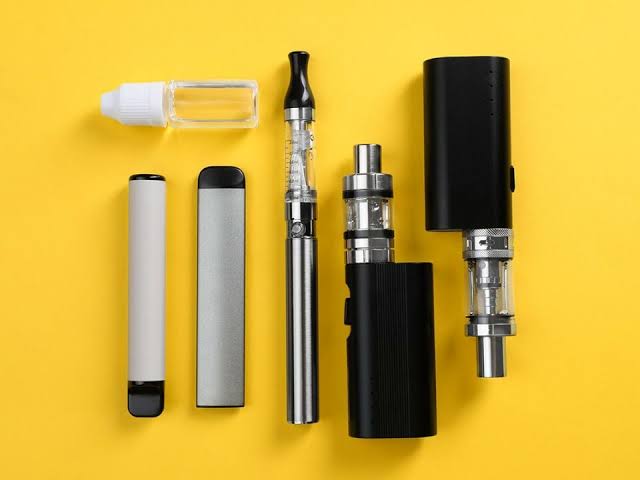
What Are Disposable Vapes and How Do They Differ From Reusable Devices?
Introduction
Disposable vapes are compact electronic devices intended for limited use, while reusable models are built for ongoing operation with replaceable or refillable parts. Both types heat liquid to create an inhalable aerosol, but they differ in setup, upkeep, cost, and waste. Knowing how each works can help adults compare product information and consider health implications. Nicotine can cause dependence, and vaping is not harmless. The key distinctions involve what happens when liquid or battery power runs out.
What the Product Listing Shows
The inspected collection page displayed four products and included a nicotine warning, which says vaping is not for non-smokers. A comparison should weigh such details alongside device type, ingredients, and age requirements. Anyone researching buy disposable vapes can also compare reusable options before deciding whether a single-use format suits their needs. Product counts and availability may change, so listings should be checked directly.
How Disposable Devices Work
A disposable unit generally combines a battery, heating element, liquid reservoir, and mouthpiece in one casing. Drawing on the device activates its heating element, which warms the liquid into an aerosol. Some versions need charging, while others stop working once the battery or liquid is depleted. The precise setup varies by model, so package details matter. Unlike many reusable products, the main components are not intended for routine replacement.
How Reusable Models Work
Reusable devices keep the main battery unit for repeated use. Depending on the model, a user replaces a pod or coil, refills a tank, or changes a prefilled cartridge. These parts allow continued operation without discarding the entire device after each supply runs out. However, reusable does not mean maintenance-free. Users need compatible replacement components, suitable liquid, and a charging method. Care instructions differ, so the manufacturer’s guidance should be reviewed.
Setup and Daily Upkeep
A disposable model often requires little assembly, though charging or opening instructions may apply. Reusable equipment usually involves more steps, such as charging, filling, replacing a pod, or cleaning a tank. That routine can give users more control over parts and liquid choices, but it also requires time and attention. Leaks, worn components, or incorrect assembly can affect performance. Clear instructions help reduce avoidable problems with either format.
Cost Over Time
The purchase price alone does not show the full cost of either device type. A disposable may have a lower initial price, while repeated replacements add up over time. A reusable model can cost more at first, then require ongoing spending on pods, coils, liquid, or batteries. Actual totals depend on local prices, device lifespan, and frequency of use. Comparing a realistic period of ownership gives a fairer estimate than comparing single checkout prices.
Battery and Liquid Capacity
Capacity varies by product, so no single puff count or usage period applies to every disposable or reusable device. A printed estimate may not reflect each person’s habits or the device’s real performance. Reusable products may allow a user to replenish liquid or replace a battery, depending on their construction. Before purchase, product details can clarify capacity, charging needs, and compatible parts. Such checks help prevent confusion about how long a device may operate.
Waste and Disposal
Single-use designs can create more discarded material because the battery, casing, and remaining components leave service together. Reusable models may reduce whole-device disposal, although pods, coils, bottles, and batteries still need appropriate handling. Electronic components should not automatically go into household rubbish or recycling bins. Local waste services can explain available collection options. Keeping a device out of reach of children and disposing of it responsibly are sensible steps for either format.
Nicotine and Health Information
Many vape liquids contain nicotine, an addictive substance. Vaping is not harmless, and non-smokers, young people, and people who are pregnant should avoid it. Product descriptions should be checked for nicotine content and ingredient information, but labels do not remove health risks. Anyone considering vaping to stop smoking can seek advice from a qualified health professional about evidence-based support. A device comparison should never be treated as a health recommendation.
Choosing Between the Types
The practical differences are straightforward: disposables bundle key parts into one unit, while reusable models retain a device body and rely on replaceable or refillable supplies. Setup effort, ongoing expense, waste, and available product information can all influence a comparison. Adults should check local rules, age limits, safety notices, and disposal guidance before making decisions. If nicotine use is involved, health considerations deserve more weight than convenience or appearance.
Conclusion
Disposable and reusable vapes serve different practical needs, but neither option is risk-free. A disposable usually asks for less upkeep, while a reusable device offers replaceable or refillable components and brings extra maintenance. Costs, waste, product capacity, and nicotine content vary, so labels and local guidance matter. The inspected collection page showed four listings and a clear nicotine warning, but its contents may change. Careful comparison helps readers distinguish product features from claims about health or suitability.